Table of Contents
Search engine optimization (SEO) is the practice of increasing the visibility and overall performance of websites and web pages in search engine results pages (SERPs) . It is a critical component of digital marketing, focused on attracting high-quality, unpaid traffic from search engines like Google . This guide provides a comprehensive overview of the core concepts of SEO monitoring and optimization, leveraging official documentation and best practices from Google. It is designed to give you a robust understanding of the fundamentals, from initial setup to advanced performance analysis.
Understanding the Basics: What is SEO and How It Works
Search engine optimization meaning is the process of making your site better for search engines. It is also the job title of a person who does this for a living . The goal is to help search engines understand your content so they can present it to users who are searching for relevant information, products, or services . Unlike paid advertising, SEO focuses on organic search results, aiming to improve both the quantity and quality of website traffic .
How Search Engines Work: The Discovery and Indexing Process
To understand how to do SEO for website step by-step, it’s essential to grasp how search engines operate. Google is a fully automated search engine that uses programs called crawlers to constantly explore the web and find pages to add to its index . This process involves three key stages:
- Crawling: Googlebot (Google’s crawler) discovers new and updated pages to add to its list of known pages. It primarily finds these pages by following links from other pages it has already crawled .
- Indexing: After crawling a page, Google tries to analyze its content. It processes key information—such as text, images, and video files—and stores it in the Google Index, a vast database. Understanding the page’s content and context is vital for serving it to the right users .
- Serving (Ranking): When a user performs a search, Google’s algorithms analyze the indexed pages to deliver the most relevant and useful results for that specific query. Many factors influence ranking, from the content’s relevance to the user’s location and language .
The Two Pillars of SEO: Monitoring and Optimization
A successful SEO strategy is built on a continuous cycle of two interconnected activities: monitoring and optimization.
- Monitoring is the process of tracking your website’s performance in search results. It answers the question, “How are we doing?” You use analytics tools to measure traffic, rankings, and user behavior.
- Optimization is the process of making improvements to your website based on the data you’ve gathered from monitoring. It answers the question, “How can we do better?” This involves changes to content, site architecture, and technical setup.
You cannot effectively optimize without first monitoring your current performance. The data reveals what’s working and what isn’t, allowing you to prioritize your efforts for maximum impact.
The Essential Toolset for SEO: Google Search Console and Google Analytics
Google provides two powerful, free tools that form the bedrock of any effective SEO practice: Google Search Console and Google Analytics. While they serve different purposes, when used together, they provide a complete picture of your SEO performance .
1. Google Search Console (GSC): Your Direct Line to Google
Search Console is a tool from Google that helps developers, website owners, and SEO professionals understand how their site is performing on Google Search . It provides data directly from Google’s perspective.
Key Functions of Search Console :
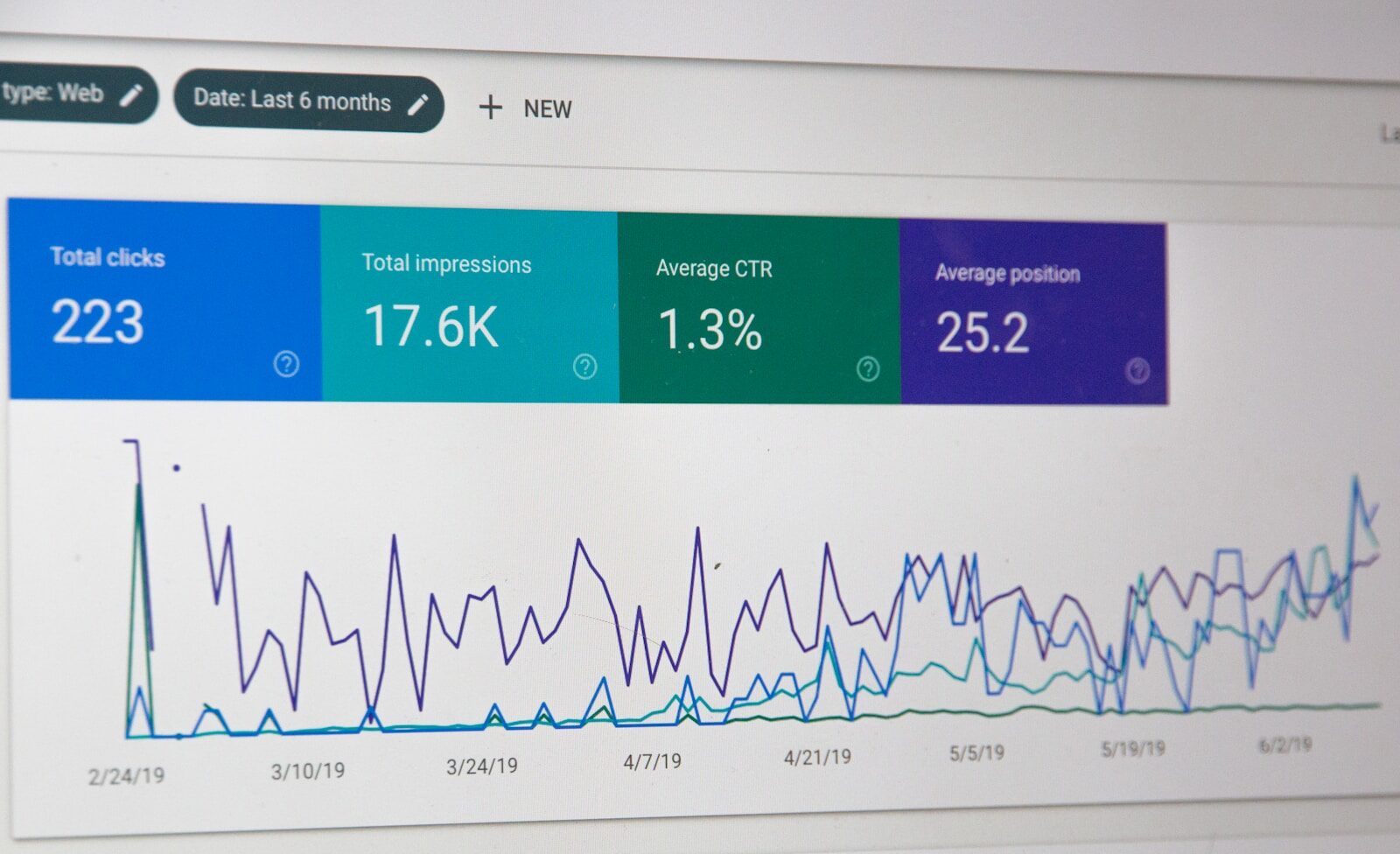
- Monitor Performance: The Performance report shows crucial metrics like clicks, impressions, click-through rate (CTR), and average position for your site’s pages .
- Check Indexing: The Index Coverage report tells you which pages Google has indexed and which ones have errors preventing them from being indexed .
- Verify Technical Health: It alerts you to critical issues like manual actions (penalties), security problems, and mobile usability errors .
- Submit Sitemaps: You can submit an XML sitemap directly to Google to help it discover your important pages, which can speed up indexing .
Getting Started with Search Console :
- Verify Ownership: The first step is to verify that you own the website. Google offers several methods, including uploading an HTML file or using your domain name provider.
- Check Coverage: Once set up, review the Index Coverage report to find and fix any issues with your pages. Common errors include “Crawled – currently not indexed” or “Server error (5xx).”
- Monitor Performance: Regularly review the Performance report to understand your organic traffic, the queries you rank for, and how users interact with your site on the SERP.
- Submit a Sitemap: If you have a sitemap (which is often auto-generated by content management systems like WordPress), submit it to Google via Search Console.
2. Google Analytics 4 (GA4): Understanding User Behavior Post-Click
While Search Console focuses on what happens before a user clicks on your site, Google Analytics focuses on what happens after. GA4 provides in-depth data on how users interact with your site once they arrive .
Key Functions of Google Analytics :
- Track User Engagement: It measures metrics like sessions, engagement rate (the percentage of engaged sessions), average engagement time, and events (specific user actions like page views, scrolls, or clicks) .
- Acquisition Analysis: The Acquisition report shows you how visitors find your site, including the “Organic Search” channel, which represents traffic from Google .
- Behavioral Insights: The Engagement report reveals which pages are most popular, how long users stay on them, and what actions they take (e.g., conversions) .
- Conversion Tracking: It allows you to track goals, such as e-commerce purchases, form sign-ups, or newsletter subscriptions, and attribute them to different traffic sources .
Getting Started with Google Analytics:
- Set Up a Property: Create a Google Analytics account and set up a “property” for your website.
- Install the Tracking Tag: GA4 works by adding a snippet of JavaScript code (the GA4 tag) to every page of your website. This tag collects visitor data.
- Link to Search Console: For the most powerful insights, you must link your Search Console property to Google Analytics. This integration allows you to see Search Console data (like impressions and clicks) right alongside GA4’s behavioral data, giving you a complete view of the user journey .
Mastering SEO Metrics: What to Monitor and Why
To effectively monitor your SEO, you must understand the key performance indicators (KPIs). The table below outlines the most important metrics and how they inform optimization.
| Metric | Source | Description |
|---|---|---|
| Impressions | Search Console | The number of times a link to your site appeared in Google Search results . |
| Clicks | Search Console | The number of times a user clicked on your site’s link in Google Search results . |
| Click-Through Rate (CTR) | Search Console | The percentage of impressions that resulted in a click (Clicks ÷ Impressions). A low CTR indicates your title and description may not be compelling . |
| Average Position | Search Console | The average ranking of your website’s URLs for the reported queries . |
| Sessions | Google Analytics | A group of user interactions with your website that take place within a given timeframe. This represents the total amount of traffic to your site from a source . |
| Engagement Rate | Google Analytics | The percentage of sessions that were “engaged,” meaning the user spent more than 10 seconds on site, had at least 2 page views, or completed a key event (conversion). This is a better measure of user interest than bounce rate . |
| Conversions | Google Analytics | The completion of a desired action, such as a purchase or a sign-up. This is the ultimate measure of SEO success . |
Core SEO Optimization Strategies (Based on Best Practices)
Once you have monitoring in place, you can focus on optimization. Google’s SEO Starter Guide is the definitive resource for best practices . The recommendations can be broken down into a few core areas:
1. Help Google Find Your Content
Ensure your site is crawlable and indexable .
- Check with
site:Search: Use thesite:operator in Google (e.g.,site:yourwebsite.com) to see which of your pages are already indexed . - Submit a Sitemap: Submit a sitemap (a file listing all the important URLs on your site) to Search Console to help Google discover pages more efficiently .
- Review Robots.txt: Use the
robots.txtfile to tell crawlers which parts of your site they should not access. Ensure it isn’t accidentally blocking important content.
2. Organize Your Site Logically
A good site structure helps both users and search engines .
- Use Descriptive URLs: Create URLs that include words relevant to the page content, making it easier for users to understand the page (e.g.,
example.com/pets/cats.html) . - Group Similar Content: Organize pages into logical directories (folders) to help Google understand the structure and importance of different sections of your site .
- Reduce Duplicate Content: If you have multiple pages with very similar content, Google will choose one as the “canonical” version. You can use
rel="canonical"tags or 301 redirects to indicate your preferred URL .
3. Create Interesting and Useful Content
Content is the most critical factor for your site’s visibility. “Creating user-engaging and useful content likely has a greater influence on your site’s performance in search results than any other advice in this guide” .
- Write for Your Users: Create content that is original, well-written, easy to read, and free of spelling and grammatical errors .
- Focus on User Intent: Think about the search terms users might use to find your content. A user searching for “cheese platter” has a different intent than one searching for “how to make a cheese board” .
- Keep Content Fresh: Regularly review and update existing content to ensure it remains accurate and relevant .
- Use High-Quality Images and Videos: Add images and videos and optimize them with descriptive alt text (a short, text-based description of an image) to help search engines understand them .
4. Enhance Your Appearance on Google Search Results
You can control how your pages appear in SERPs, influencing users’ decisions to click.
- Influence the Title Link: Write unique, concise, and descriptive titles using the
<title>HTML element. This title often becomes the clickable headline for your page in search results . - Control the Snippet: While Google often pulls the description from page content, you can provide a concise summary using a meta description tag. A good meta description can significantly improve your CTR .
Leveraging Advanced Insights: “People Also Search For” (PASF)
One of the most valuable, yet often overlooked, SEO features is “People Also Search For” (PASF) . This is a Google SERP feature that appears after a user clicks on a search result and then returns to the results page. It suggests related queries and is a goldmine for understanding user intent and discovering new keywords .
Why “People Also Search For” Matters
PASF reveals the natural progression of a user’s thought process . If you can answer the follow-up questions that users are likely to ask, you can create more comprehensive content and capture more traffic.
How to Use PASF for SEO
- Generate New Content Ideas: A search for “SEO tools” might show PASF queries like “free SEO tools for beginners” or “best SEO tools for small businesses.” Use these to inspire new articles or guides.
- Optimize Existing Content: Search for your main target keywords and see what PASF suggestions appear. Integrate these relevant phrases naturally into your existing content, such as in new headings or FAQs, to increase its topical relevance.
- Inform FAQ Sections: Many PASF queries are phrased as questions. Use them to create a comprehensive FAQ section on your pages, directly addressing the user’s potential next questions .
- Find Long-Tail Keywords: PASF often yields long-tail keywords—highly specific phrases with lower search volume but higher purchase intent and less competition .
Bringing It All Together: A Monitoring and Optimization Workflow
An effective SEO strategy is a continuous cycle. Here is a workflow you can follow:
- Setup: Verify your site in Google Search Console and set up Google Analytics 4 with the tracking code installed. Crucial step: Link GSC to GA4 .
- Monitor: Establish a regular cadence to check your data.
- Weekly/Monthly: Review the Search Console Performance report. Identify your top-performing pages and queries. Look for pages with high impressions but low CTR (poor snippet) or low impressions (low ranking potential) .
- Monthly: In GA4, analyze the Acquisition report to see the volume and quality of traffic from “Organic Search.” Review the Engagement report to see which pages are retaining users best. Using the integrated reports, analyze the correlation between GSC landing pages and GA4 engagement metrics .
- Audit: Use GSC to identify technical issues. The Index Coverage report will show pages that Google cannot access or index . The Core Web Vitals report highlights pages with poor user experience related to loading speed and interactivity .
- Optimize: Based on your analysis, make targeted changes.
- Content: Update top pages to better match user intent, incorporate related keywords (including from PASF), and improve readability.
- On-Page: Revise title tags and meta descriptions for pages with low CTR. Add internal links to guide users and distribute link equity.
- Technical: Fix the issues identified in your GSC audit, such as 404 errors or slow loading pages.
- New Content: Use insights from the Performance Report and PASF to create new content that fills gaps in your existing coverage.
- Re-monitor: After making changes, continue monitoring to see the effect. Remember that results can take time; be patient and data-driven .
Official Sources and Tools for SEO Monitoring and Optimization
Google Search Central Documentation
Googlebot Crawler Documentation
Essential FAQs
What is “People Also Search For” in SEO?
“People Also Search For” (PASF) is a Google SERP feature that suggests related search queries. It appears when a user clicks on a search result and returns to the search page . It is a valuable source of related keywords and user intent data.
Why is Google Search Console essential for SEO?
Google Search Console (GSC) is essential because it provides direct data from Google about how your site is performing. It shows you your search traffic, which keywords you rank for, how you appear in search results, and any technical issues that might be preventing your site from performing well .
What is the difference between Google Search Console and Google Analytics?
Search Console focuses on a website’s visibility before a click, providing data on search impressions, clicks, and ranking from Google’s perspective . Google Analytics focuses on user behavior after a click, providing data on sessions, engagement, and conversions on your site . Together, they provide a complete picture.
What is a good CTR in SEO?
There is no single “good” CTR as it varies by industry, keyword, and position. However, a general benchmark is that the average CTR for the #1 organic search result is around 30-40%, dropping significantly for subsequent positions. Monitoring your own CTR for keyword positions is more useful than aiming for a specific number .
How often should I monitor my SEO performance?
You should check Google Search Console and Google Analytics regularly. A good practice is to perform a high-level check weekly and a more detailed analysis monthly. However, if you notice major traffic drops or make significant changes to your site, you should investigate immediately .
How do I use the “People Also Search For” feature?
To use PASF for keyword research, search for a relevant keyword on Google, click on a top result, and immediately return to the SERP. A PASF box will appear at the bottom or middle of the page. Note the suggested queries and integrate the relevant ones into your content strategy, as they reveal what users are also searching for .
Leave a Reply